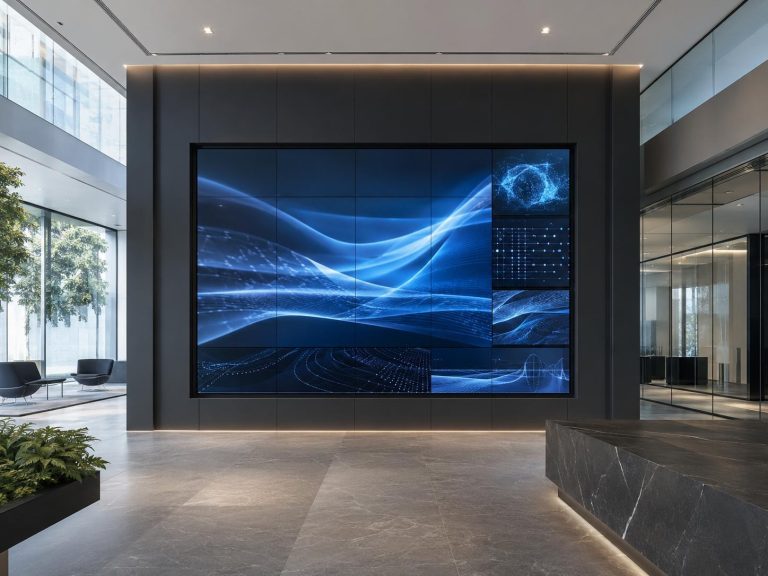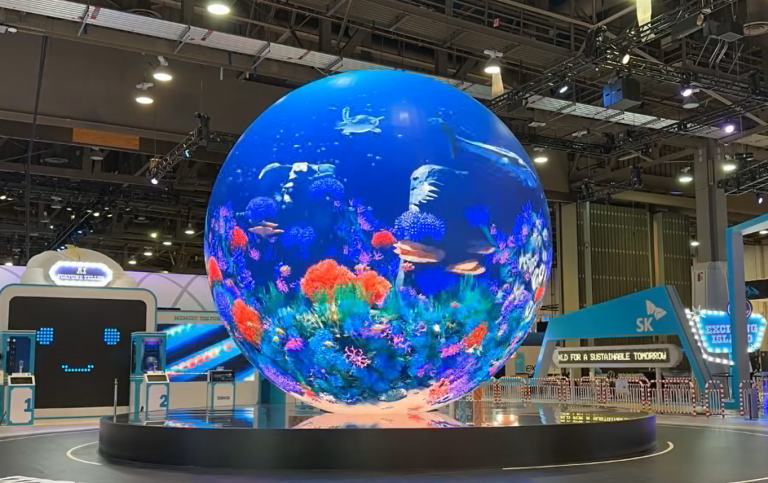
Why the shape matters more than the pixel count, how to specify curvature and pitch, and what separates a stage that photographs well from one that only looks good on paper.
A curved LED screen does not simply put a bigger picture behind a performer. It removes the frame. On a flat wall the audience sees a rectangle, and at its edges the image stops. On a curved surface the picture continues past the edge of vision, so the stage reads as a space rather than a backdrop — which is why curved LED has moved from novelty to default on tours, galas and brand launches that need to feel bigger than the room.
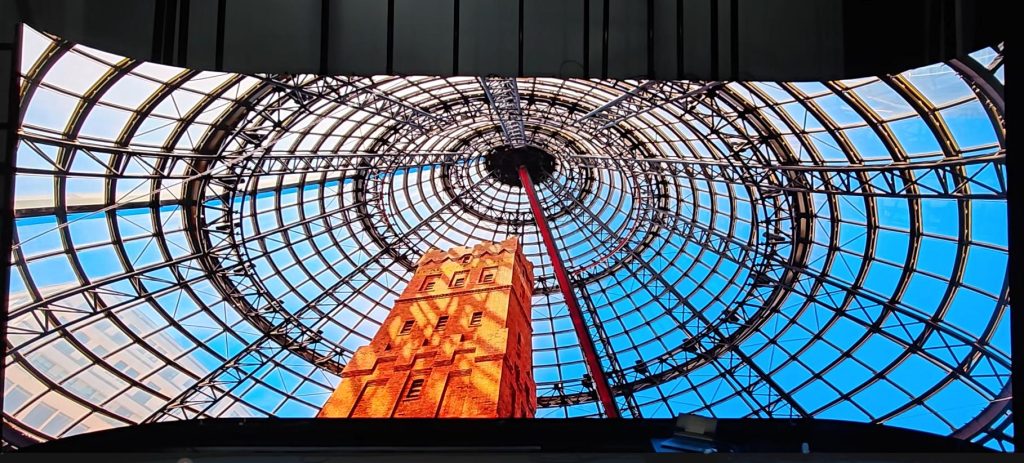
This guide covers what curvature actually adds, how to specify it without overspending, and the four places where curved LED builds fail in practice.
1. What a curved LED screen actually changes
Most buyers compare screens on pixel pitch and price per square metre. Neither explains why a curved stage feels different. Three effects do.
Continuity. A flat screen has a visible boundary: the eye reads the edge, and the stage behind it. A curved screen that follows the stage geometry removes that boundary, so the image and the set share the same space instead of competing for it.
Depth. A concave screen wraps toward the audience. Content that moves horizontally then reads as movement through space rather than across a surface, which is why reveal moments, scene transitions and camera moves land harder on a curve.
Scale without more pixels. A 60 m² curved wall fills more of the viewer’s field of vision than a 60 m² flat wall at the same distance, because the ends of the curve sit closer to the sightline. Productions regularly get a bigger result from the same square metreage by changing the shape rather than buying more panels.
2. Concave, convex and everything between
The two basic moves are concave — curving away from the audience, wrapping the performance area — and convex, bulging toward the audience as a centrepiece or portal. Most concert and gala work is concave; most brand and exhibition work that wants an object rather than a backdrop is convex.
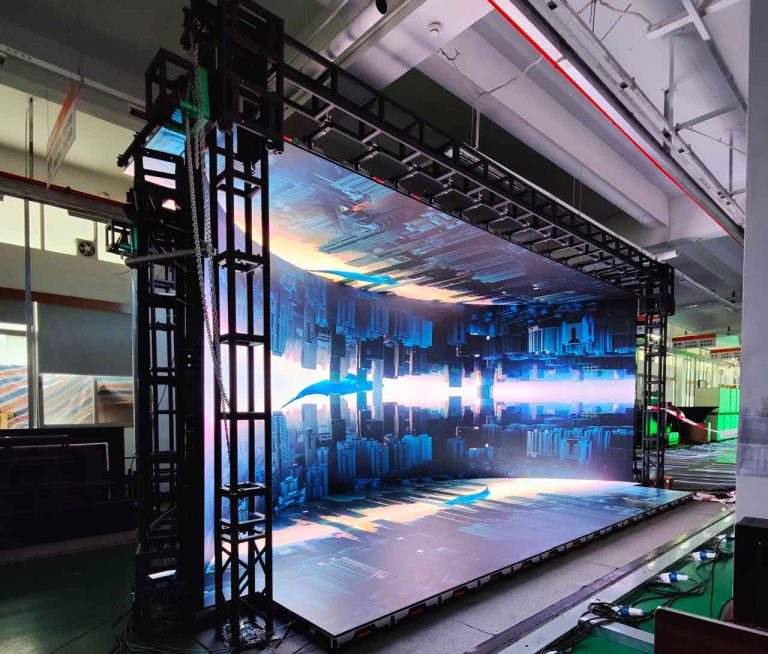
What decides whether a shape is buildable is the angle between adjacent cabinets. A rental cabinet with a 5° angled edge will hold a large radius comfortably; a tighter radius needs either dedicated angled cabinets or flexible modules that bend continuously. This is the single specification that separates a real quote from an optimistic one: ask for the minimum radius in metres, not for the word “curved”.
For S-curves, ribbons and shapes that change direction mid-run, flexible LED modules are usually the only workable answer, because rigid cabinets cannot reverse curvature without a visible joint.
3. Matching pixel pitch to viewing distance
Pitch is a function of distance, not budget. The table below is the working range most productions settle on; the upper end of each band is where the image starts to soften.
| Farthest viewer | Typical pitch | Where it is used |
| Up to 5 m | P1.5 – P2.6 | Brand launches, corporate stages, camera-heavy work where close-ups are cut live |
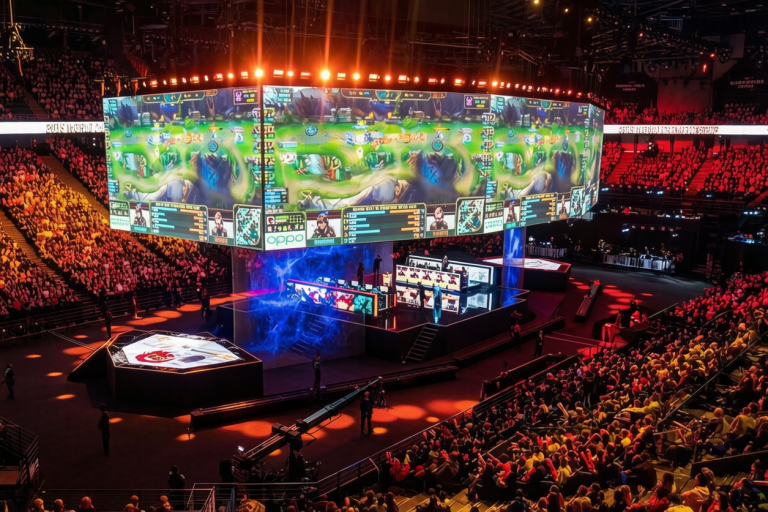
| 5 – 12 m | P2.6 – P3.9 | Arena backdrops, galas, awards shows, mid-size touring |
| 12 – 25 m | P4.8 – P6.9 | Large concert stages and festival main stages |
| 25 m and beyond | P8 – P10 | Stadium shows, outdoor public events, long throw |
Two corrections matter more than the table. If the show is filmed, pitch is set by the camera, not the back row. And on a curve the ends sit closer to the audience than the centre, so a pitch chosen for centre distance looks softer at the edges. Go one step finer than you would on a flat screen.
4. Where curved screens earn their cost
Touring. One curved wall can play a club, an arena and a festival field with the same content and the same truck pack. The shape does the work that used to require different sets.
Galas and awards. Scene changes happen in the content rather than in the wings. A curved backdrop can move from a formal ceremony to a sponsor moment to an act introduction without a single set piece moving.
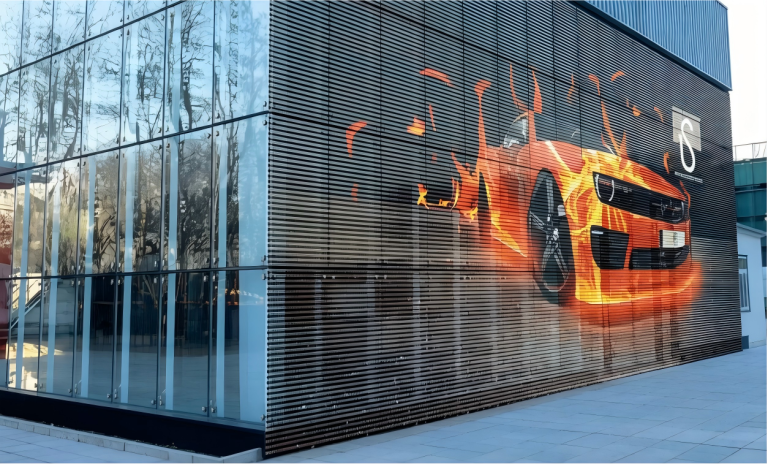
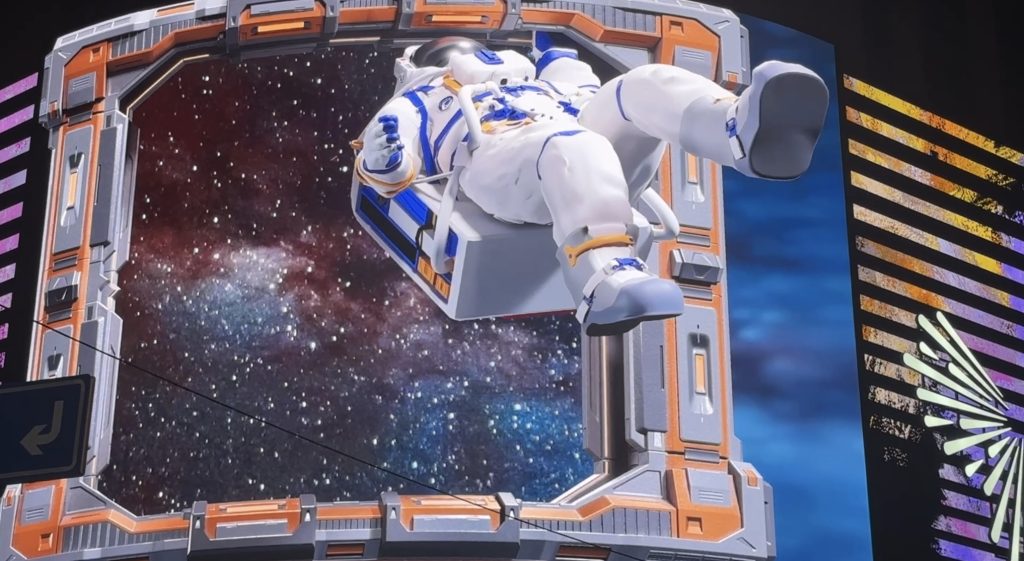
Brand launches. When content is mapped to the geometry, the screen stops being a surface and becomes the product’s environment — a car in a curved light box, a device inside a wrapping gradient.
Fashion and runway. Curved backdrops hold sightlines from side seating, which straight backdrops do not, and give photographers a background that does not end in a hard edge.
5. The four specifications that decide whether it works on camera
Curved builds fail in the same four places, and none of them appear on a price sheet.
Brightness against the lighting rig. Indoor stage work usually sits between 1,000 and 2,500 nits; outdoor and festival work needs 5,000 to 8,000. A screen specified at the low end of the indoor band will wash out the moment follow spots hit the stage.
Refresh rate. Anything that will be filmed needs 3,840 Hz or higher, and low-scan drivers show as banding on camera even when the eye sees nothing wrong in the room.
Moiré and viewing angle. On a curve, viewers at the ends watch the surface at an angle. Panels with narrow viewing angles shift colour at the edges of the curve — visible on camera as a gradient that should not be there.
Structure and service access. A curved frame carries load differently, and the curve hides the back of the screen. Decide before build whether modules are front- or rear-service: on a wrapped stage that answer decides whether a dead module costs five minutes or a dark section.
6. What curvature really costs
A curved build costs more than a flat one in three places: the cabinets (angled edges and tighter tolerances), the structure (curved frames and rigging), and the content (anything mapped to a curve has to be produced for it). Budget 10–25% above an equivalent flat screen for the hardware, and a content allowance on top.
The mistake is comparing cost per square metre. What matters is cost per usable performance: a curved wall playing forty dates a year at a higher day rate beats a cheaper flat wall playing twenty. In a rental fleet, standard 500 × 500 cabinets with flight cases and a shared spare pool earn back faster than a bespoke size that suits one show.
7. Questions buyers ask before committing
Can a flat LED wall be curved on site? No. Cabinets are rigid. Curvature comes from angled cabinet edges or from flexible modules, and it has to be specified at purchase.
What is the minimum radius? It depends on the cabinet angle — commonly 5° per cabinet for rental product, with flexible modules going considerably tighter. Ask for the figure in metres for the specific product, not for the range in general.
Does a curve need special content? Yes. Content is mapped to the geometry, and horizontal moves need to be built for the radius. This is a production cost, not a screen cost, and it is usually the item that gets forgotten.
Is curved worth it outdoors? Only where the shape solves a sightline problem or the structure is already curved. Outdoors, wind load and weight usually argue for flat.
Conclusion
A curved LED screen is a structural decision, not a cosmetic one. Get the radius, the pitch and the service access right and the stage gains a space the audience stands inside. Get them wrong and you have paid a premium for a rectangle that bends.
Planning LED displays for your factory tour or showroom?
Contact Astrev Display for a free layout consultation and factory-direct quotation — we manufactures flexible LED displays and custom-shaped LED displays for curved walls, columns and ceilings, transparent LED screens up to 95% see-through for glass partitions, all-in-one displays from 108″ to 216″ for VIP rooms, and rental panels in 500×500 and 1000×500 mm at 8.5 kg for temporary activations—with OEM/ODM support from our Shenzhen factory. Send us your drawings and the tightest radius on the plan; we will confirm the module, pitch and mounting method.